Why Do Quizzes Work So Well on Landing Pages?
 Reading Time: 5 minutes
 TL;DR Summary: A good quiz does more than ask questions. It pulls people in, gets them to participate, helps them recognize their own problem, and makes the next step feel more natural. That is why quiz funnels often outperform static landing pages. They are not magic, and they are not always the right fit, but when they are built well, they can turn a passive page into an active experience.
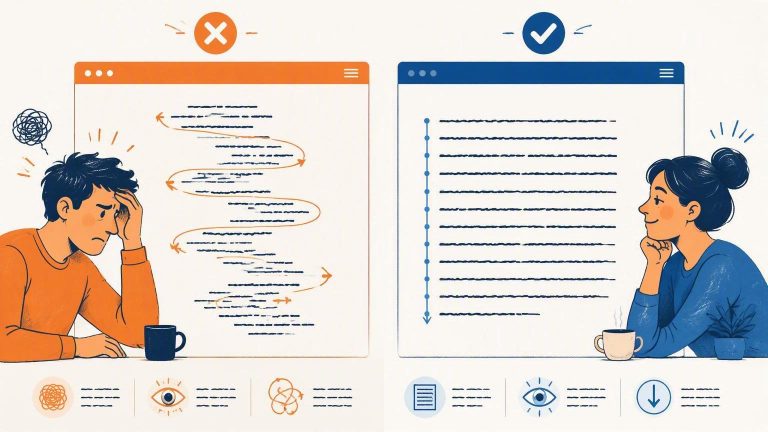
A lot of landing pages try to do all the persuading on their own. They explain the offer, list the benefits, show a button, and hope the visitor is ready to act. Sometimes that works. A lot of times… it does not.
That is where quizzes get interesting.
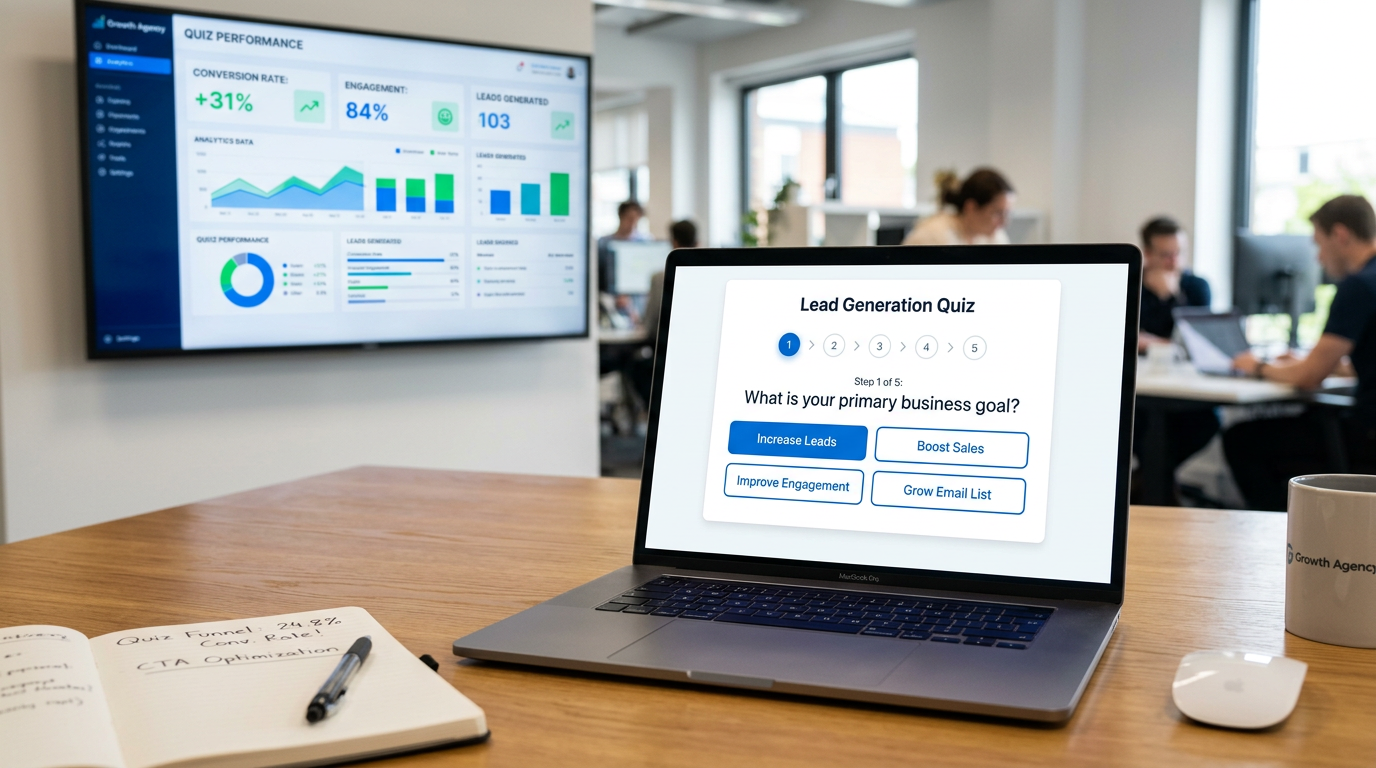
A short, well-built quiz can feel less like a sales pitch and more like progress. Instead of talking at the visitor, it invites them into the process. That one change can make a big difference.
Why Questions Change the Experience
Researchers have studied something called the question-behavior effect. The basic idea is simple: asking people questions about their intentions, choices, or future behavior can influence what they do next. In other words, questions do not just reveal interest. Sometimes they help create it.
That does not mean every quiz suddenly doubles conversions. It means the act of answering questions can make a person more mentally involved in the process. They are no longer just scanning a page. They are participating.

And once someone starts participating, they often become more invested in seeing where it leads.
Why Quizzes Often Convert Better Than Static Pages
1. They create small commitments
A quiz usually starts with an easy step. Click an answer. Pick an option. Move to the next screen. That is a small ask, but it matters. It feels lighter than filling out a long form or making a decision right away.
Each answer becomes a small “yes.” Those little steps can carry someone forward without making the process feel heavy.
2. They help people persuade themselves (this is key!)
This is the part that makes quizzes especially useful.
A normal landing page says, “Here is your problem, and here is our solution.” A good quiz leads the visitor to arrive at that conclusion on their own. That matters because people tend to trust conclusions they help reach more than conclusions pushed on them from the outside.
For example, a page might say, “Your website is costing you leads.” A quiz can ask a few questions that lead the visitor to realize, “Yeah, we do have a clarity problem, and our mobile experience is weak.” That hits differently.
It’s this self-realization that increases conversion. If you can guide people to come to the conclusion themselves that they need what you have, you get more conversions.
3. They feel more personal
Even simple quizzes feel more tailored than a generic landing page. When someone sees answer choices that sound like their situation, the message feels more relevant. That relevance tends to increase attention and interest.
This is one reason product finder quizzes, readiness assessments, and scorecards often do well. They make the visitor feel like the next recommendation is based on them, not just sprayed at everyone.
4. They turn friction into momentum
A long form can feel like work. A short quiz can feel like forward motion.
That is a huge difference. A visitor may resist “Fill out this form for a consultation,” but be willing to answer six quick questions to get a personalized result. The amount of effort may not be wildly different, but the experience is.
5. They build curiosity
People want to see their result. That curiosity keeps them moving.
If the quiz promises a useful outcome like a score, diagnosis, recommendation, or next-best step, the visitor has a reason to keep going. They are not just giving you information. They are expecting something back.
What Actually Makes a Quiz Funnel Work
Not every quiz is good. A bad quiz is just a slower bad form.
The strongest quiz funnels usually do a few things well:
- They start with easy, low-pressure questions.
- They ask things that make the visitor think about their situation.
- They build toward a result the visitor wants to see.
- They make the recommendation feel earned, not random.
- They keep the process short and clear.
That last part matters a lot. If the quiz feels like homework, people bail. If it feels like momentum, they stay.
When a Quiz Makes Sense
Quizzes tend to work best when the buyer needs help understanding a problem, choosing between options, or seeing what to do next.
That is why they fit offers like:
- Website audits
- SEO scorecards
- AI-readiness assessments
- Service recommendation tools
- Product match quizzes
- Lead quality pre-screeners
For example, “Get a website audit” is fine. But “Is Your Website Costing You Leads? Answer 6 Quick Questions” is usually more engaging because it turns the process into discovery.
When a Quiz is the Wrong Move
Sometimes the visitor just wants the answer. They want price, availability, features, or a demo. In those cases, a quiz can get in the way.
Quizzes also tend to under-perform when:
- The offer is already obvious
- The questions feel fake or manipulative
- The result is vague or useless
- The quiz is too long
- The lead form appears before any real value is delivered
So no, quizzes are not a universal fix. They are a format. The psychology behind them is useful, but the offer still has to be strong.
The Bigger Idea
The real power of a quiz is not that it collects data. It is that it changes how the visitor experiences the page.
Instead of saying, “Here is why you should care,” a quiz helps the person realize why they care. Instead of asking for trust upfront, it earns engagement step by step. Instead of dumping information on someone, it lets them interact with it.
That is why the best quiz funnels feel less like questionnaires and more like guided decisions.
Key Takeaways:
- Quizzes can increase engagement because they turn a passive landing page into an interactive experience.
- Questions can influence behavior, not just measure it.
- Strong quiz funnels help visitors persuade themselves.
- People are more likely to keep going when the process feels personal and useful.
- A quiz works best when it helps someone understand a problem, see a result, or choose the right next step.
- A bad quiz is just a slower bad form, so execution matters.
Glossary:
Question-behavior effect
The idea that asking someone about a future action or intention can influence whether they later do it.
Self-persuasion
When a person becomes more convinced because they help generate the reason or conclusion themselves.
Tailoring
Adjusting content, recommendations, or messaging so it feels more relevant to the individual.
Friction
Anything in a funnel that makes the next step feel harder, slower, or less worth doing.
Lead quiz
A quiz used in marketing to engage visitors, qualify them, and often collect contact information after delivering value.
References:
- The question–behavior effect: What we know and where we go from here
- The question-behaviour effect: A theoretical and methodological review and meta-analysis
- Self-persuasion as marketing technique: the role of consumers’ involvement
- Understanding tailoring in communicating about health
- Quiz Conversion Rate Report 2026
📄 Download a PDF of This Article