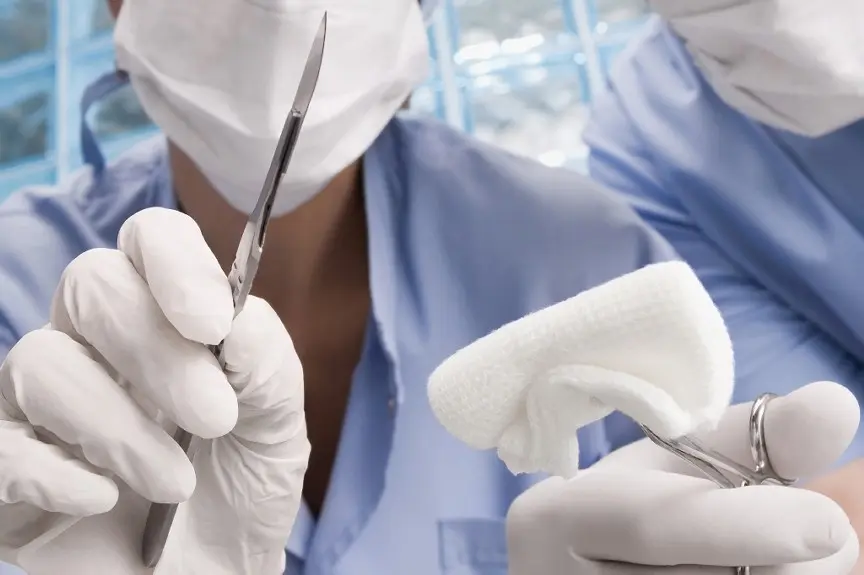
Types and Uses of Medical Scissors

Types and Uses of Medical Scissors
Anyone who has ever worked in the medical field has used medical scissors numerous times. But medical staff aren’t the only ones who find them useful—these scissors have plenty of uses around the house, too.
Common Medical Uses
Medical scissors are most often used to cut bandages—especially non-adhesive ones like 4x4s—and surgical tape. They’re also commonly used for:
- Suture removal
- Dissection
- Cast removal
- Opening prescription packages
Everyday Household Uses
Outside the clinic, medical scissors are great for home first aid, pet care, arts and crafts, and even household chores. They work well for cutting:
- Paper and cardboard
- Yarn and thread
- Hair and fabric
- Plants or small branches
Types of Medical Scissors
There are many types of medical scissors, each designed for a specific task. Here’s a rundown:
- Bandage Scissors: Typically 3.5–8 inches long with either serrated or straight blades. Often straight or curved with a blunt tip for safety.
- Stitch Scissors: 3–7 inches long with angled or curved fine blades. Some have serrations for precision cutting.
- Suture Scissors: 4–6 inches long, used for inserting and removing sutures. Some models double as needle holders.
- Umbilical Scissors: Short, circular-tipped blades designed for safely cutting umbilical cords.
- Operating Scissors: 4–7 inches, extra sharp, usually curved and serrated for dissection or surgery.
- Cuticle and Nail Scissors: Often 3.5 inches long. Cuticle scissors are curved; nail scissors may have one serrated blade for trimming and ingrown nail care.
No manicure or pedicure kit is complete without a set of cuticle and nail scissors.
Whether in a hospital, at home, or in a first-aid kit, medical scissors are versatile tools that go beyond just medicine.

📄 Download a PDF of This Article